
The land of GOD
Kinnaur is about 235 km (146 mi) from the state capital, Shimla, located in the northeast corner of Himachal Pradesh bordering Tibet to the east. It has three high mountain ranges, namely Zanskar and the Himalayas, that enclose the valleys of Baspa, Satluj, and Spiti, as well as their tributaries. The slopes are covered with thick wood, orchards, fields and hamlets. At the peak of Kinnaur Kailash mountain is a natural rock Shivling (Shiva lingam). The district was opened to outsiders in 1989. The old Hindustan-Tibet Road passes through the Kinnaur valley along the bank of river Sutlej and finally enters Tibet at Shipki La pass. Kinnaur is the second richest district in terms of per capita income after Solan in Himachal Pradesh.
history
Ancient History

Kinnaur history goes back to the ancient period there is a reference in the famous Sanskrit classic AMARKOSH written by Amarashimha giving information about many tribes and cast in India which claim their origin from divine sources in this the term KINNERS are mentioned which means Demigods (horse head with the human body). The word KIM + NARA means what kind of human being?
The Amarakosha is the popular name for Namalinganushasanam a thesaurus in Sanskrit written by the ancient Indian scholar Amarasimha. The name Amarakosha derives from the Sanskrit words amara and kosha. According to Arthur Ba Keith, this is one of the oldest extant Sanskrit lexicons
The five Pandava brothers are said to have passed of a good part of there 12 years exile in Kinnaur. Kalidas also mentioned about Kinner in his book KUMARASAMBHAVA. In Vayu Purana the Kinners are said to be the inhabitant of MAHANAND mountains.
Vimanvathu by Sutpitak written in 2 and 3 century also support this view .Kimpurushavarsha or kimpurshavarta has also been the name of ancient kingdom in himalayas.
Kumārasaṃbhavam is an epic poem by Kālidāsa. It is widely regarded as the finest work of Kālidāsa as well as the greatest kāvya poem in Classical Sanskrit. The style of description of spring set the standard for nature metaphors pervading many centuries of Indian literary tradition.
Inhabitants
Khasas, Aryans, Kanaits, and Bhoteas are people who lived in Kinnaur. It appears that khasas had arrived in the Himalayan before the Vedic Aryans and were already living there when the Aryans reached they belong to the same stock and thus live in harmony. The kanaits or kunait sprung up as a subsect of the khasa kinner assimilation and bhoteas are came from the Tibet.
In general Kinnauras have broad categories that is Khasia and Beru. Beru is further divided into Chamang and domang. The Khasia and or rajput have three status group Orang, Morang, and Waza.
Bushahr dynasty
There are many accounts about the founder of BUSHAR state :
- In the ancient past, three Gods appears in Mathura-Anna Purna Vrindavan. They were Deva Purana Tapa Purana and Anna Purana where Tapa Purana stayed at Badri Nath, Anna Purana at Tehri Gharwal and the Dev Purana got Kamru Badri Nath. He exterminated Thakur of Kamru Sangla Chini and Chulling and then reached Sarahan where Banasur was the ruler and Dev Purana killed him and brought Pradunman Singh a Chandervanshi ancestor of Dashratha from Varanasi and crowded as a king of Kamru.
- According to the second account, Pradhuman came from Kanchannapur in the south on a pilgrimage to the Bhimakali temple at Sarahan at this time the throne was vacant due to the sudden death of Raja with no heir so Pradhuman who happen to enter the place first and was blessed by Bhimakali to be king so declared by people their ruler at Kamru which became the first capital of the state.
- According to third account Bushahr dynasty was founded by Pradhuman the son of lord krishna . he came here to marry the daughter of Banasur . He became chief of Bushar and Kinnaur region since Banusar has no male hier.
Medieval History
According to C.F Kennedy Bushahr state was founded by Danbar singh an immigrant Rajput from deccan in1412 A.D .
The earlier historical mention of Bhushahr is found in chronical of Kullu when it was over run by Meru Verman of Chamba towards the end of seventh century A.D. Shittal pal the son of Datesh pal of kullu , it is said , had fled to Bushahr and took refuge , Jareshwar pal, the 6th generation from Shittal pal, recovered the state Kullu with the help of Bushahr state around 780-800.
When chamba was invaded by Kiras capital of Bushahr was shifted from KAMRU to SARAHAN around 10th century by Chattar singh who was the 110th descendent of Pradhuman and also he conquered the entire area of south Sarahan and Kinnaur.
Raja Kehri Singh
Son of Raja Chattar Singh is described as the highest skilled warrior of that time. He was an AJANABAHU like divine LORD RAM.
Once the Mughal emperor Aurangzeb held a great durbar of the hill chieftains which Raja Kheri Singh also attended. When he appeared at Delhi, it was observed that he was sheltered from the sun rays by a small cloud standing him from above in the shape of Chhatra. when the Mughal emperor asked about this phenomena, Raja answered that it was a favor of his local deity and he got the title of CHHATARPATI.
relation with Tibet and ladakh
Kinnaur is called as Khunu by tibetans. Kinnaur has also been referred as Khurpa and Maon by Leh.
Raja Kheri Singh was an contemporary of Grajayadoke the ruler of Tibet. During this time the Raja of Ladakh annexed a part of Tibetan territory. A Tibetan commander Guldenchhen started preparation to take back the territory . Kheri Singh learnt about it and conclude a treaty with Tibet and also defeated the Tibetan commander Guldenchhen in a battle in the later half of the 17 th century. In the end of the battle, a treaty was signed.
The terms of the treaty were such.
Till the black crow does not turn white, till Mansarover does not go dry, till whole of the snow from above the Kailash does not melt the Kailash will remain the boundary line between Kinnaur and Tibet.
The Tibetan-Ladakhi-Mughal war took place in 1681-1683 A.D. Raja Kheri Singh sided with Tibet, in this war against Ladakh. At the time of this war there was an alliance and a brief general agreement between Kheri Singh and the government of Tibet headed by Dalai Lama sixth . This treaty declared free trade between Tibet and Kinnaur without payment of tax which continued till 1962 when international border are closed.
Hangrang valley was received as a jagir.
Kheri singh was followed by Vijay singh and Udai Singh.
RAJA RAM SINGH
He shifted capital from Sarahan to Rampur. In his time, Kullu Raja Bidhi Chand invaded Bushahr and annexed the Kothis of Dhawal, Kot Kandi and Balramgarh in outer Seraj.
Uger Singh
Raja Rudra next ruler who was followed by Raja Uger Singh who is said to have taken by the force of arms the pargana of Suhel which he handed over as a gift to the Raja of Kumaharsain, to have maintained at the same time suzerainty over that principalityu, as well as over Keonthal, Kotkhai and Theog.
Ugar Singh married the daughter of Sirmaur house which normalized relation betqween two states. other rani of Uger Singh was from Dhami from who he had a son Mohinder Singh and a daughter.
Gurkhas and Kinnaur
Raja Ugar Singh died in1810 and was succeeded by 8 year old son Mahinder Singh. during the minority of Mahinder Singh, the Bushahr was administered by the rani and the hereditary wazirs. Bushahr had the disadvantage of having a week army. The numerical strength of the army was estimated 3000 strong men out of which 1000 were armed with matchlocks. Taking advantage of the minority of raja weak army Gurkhas invaded the country. The minnor raja who could not withstand the invasion fled away along with his mother to kinnaur. Gurkhas looted the tresuries and completely destroyed the archives and records of the state an attempt was also made by Gurkhas to reach the state treasure of Kamru where the young raja had taken refuge. There the Gurkha force was surprised by the Kinnaura guerilla force at Sholtu bridge .
From 1803 to 18015 most part of Bushehr state except Kinnaur was held by Gurkhas. After the britisher declaration war against the Gurkhas at the end of 1814, the hill people got encouraged and joined in an attempt to drive out the Gurkhas. Wazir Tikka Ram and Badri Dass provided a good leadership to Kinnaur army. A decisive battle was fought as Sholtu bridge near Chargon village. To hold the march of the gurkhas people destroyed the wangtu bridge on the satluj and this sealed the fate of gurkhas.
After this rani and Mahinder singh return to sarahan dated 6th nov 1815. All teritory restored except Rawin and kotgarh.
Modern history
After independence Kinnaur was a part of Mahasu district and Chini is the tehsil, present-day Kinnaur. 1 May 1960 Kinnaur splits from Mahasu and became the sixth district of Himachal Pradesh
Geography

Situated at 77 45, and 79 0035 East Longitude and between 31 5550 and 32 0515 North latitude. Sharing border with Ladakh and Tibet Kinnaur is situated in Himalayan region of Himachal Pradesh .
Mountain ranges in Kinnaur
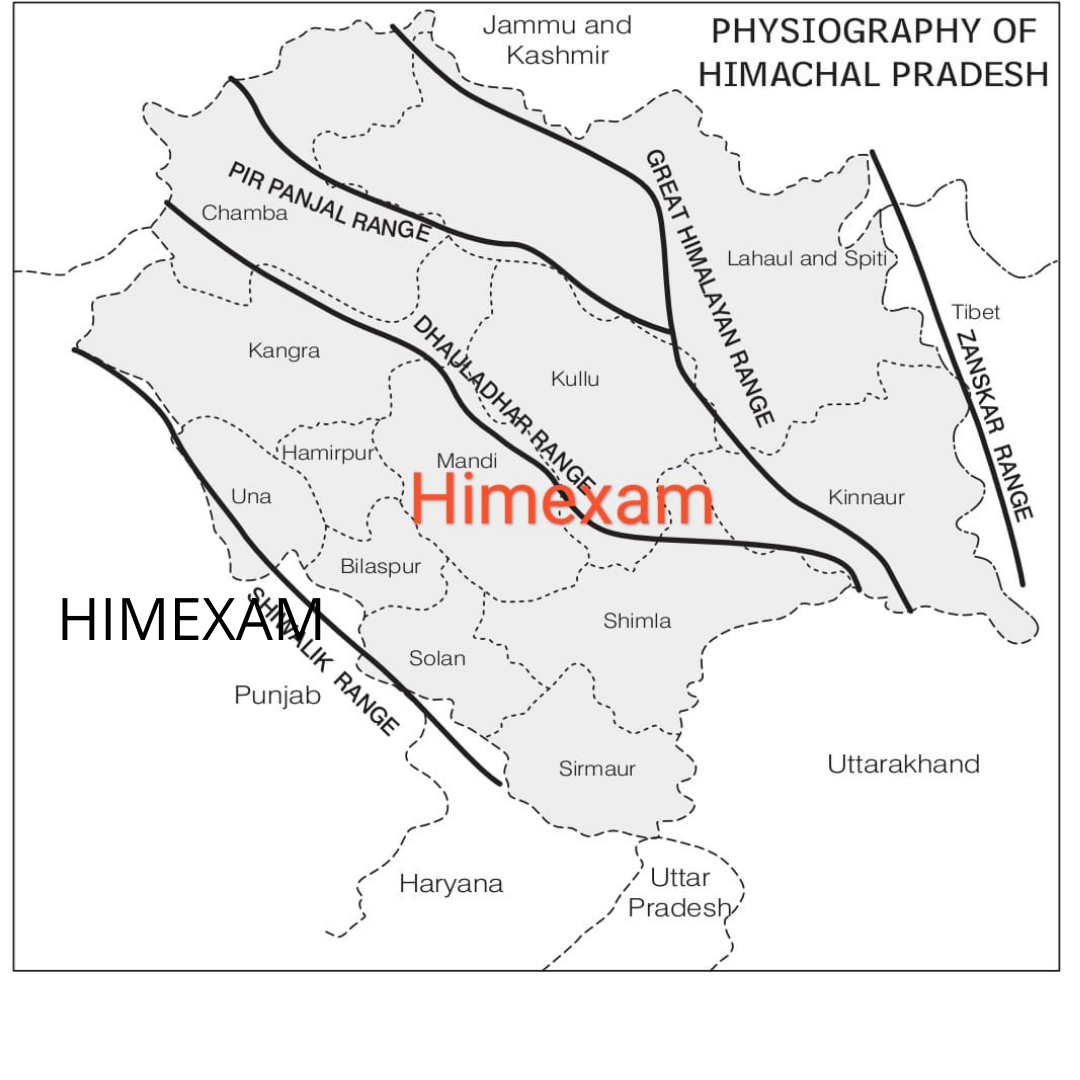
Dhauladhar (White Peak) is also known as Maulak Parbat
Greater Himalayas it separates the drainage of spiti and Beas River.
Zanskar range is branch of Trans Himalayas. It separates Spiti and kinnaur from Tibet
Mountain peaks
Kinner Kailash:
Tribe In Kinnaur
Kinner
According to Bhagwat Purana Kinner trace their origin from the shadow of Lord Brahma. Yet another legends says that they have sprung from the toe of Brahma along with the Yakshasa. But according to Bhavricopnished Devi created with Brahma, Vishnu, Maruta,Rudra , Gandharva and Apsara. In the mahabharta they have been grouped with the Gandharva wile in Matasya purana their kinship with Kirats and Yakshasa has been focused.
Marriage system in Kinnaur
Dam Chalshish or Benang Hachhis or Damtang Shish or Jushish : Love Marriage
Darosh or Dubub or Nyamsha depang or Nyamsha Lemo or Ashish or Huchis: marriage by force
Janekang or Janetang : Common marriage
Nayotang Merang : A form of marriage in which only two person go in marriage party its followed by poor people.
The Tibet darosh type of marriage is called Namkuza and Janekang is known as Namaroza .
Divorce
Husband and wife hold a dry 20 to 25 cm long twigof shur tree in their right hand. They break it with jerk and broken pieces are thrown backway . This ritual is known as Shing Tag also called Shingtickashimig or thag chocha .
The day marriage is fixed the boys side sends an ornament known as fayayaz to be hung on the forehead of bride.
Sening Kunnu It is ritual of exchanging gift in marriage
 Himalayan
Leave a comment